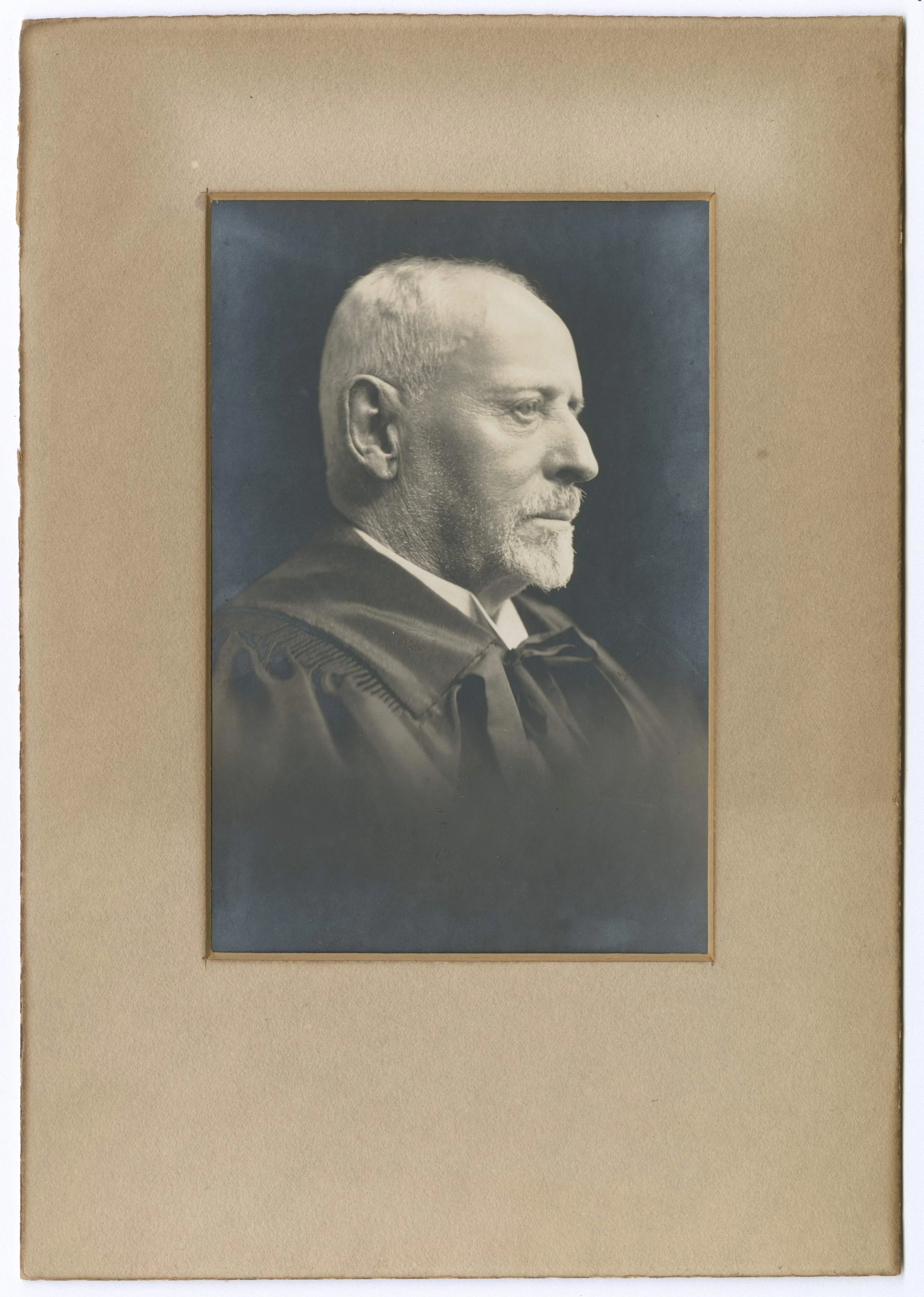
The Story of Founder and Firm
The Sailor Who Became an Engineer
The story of Walter Weech Forwood, and subsequently Forwood Down & Co., began not in a foundry, but at sea. Born into a family with deep roots in London shipping, young Walter was originally destined to "follow the sea” (Before Business Days, 1915, March 1, The Journal, p. 1). He was apprenticed to a sea captain employed by his uncle and spent his early years sailing, chiefly along the coast of China.
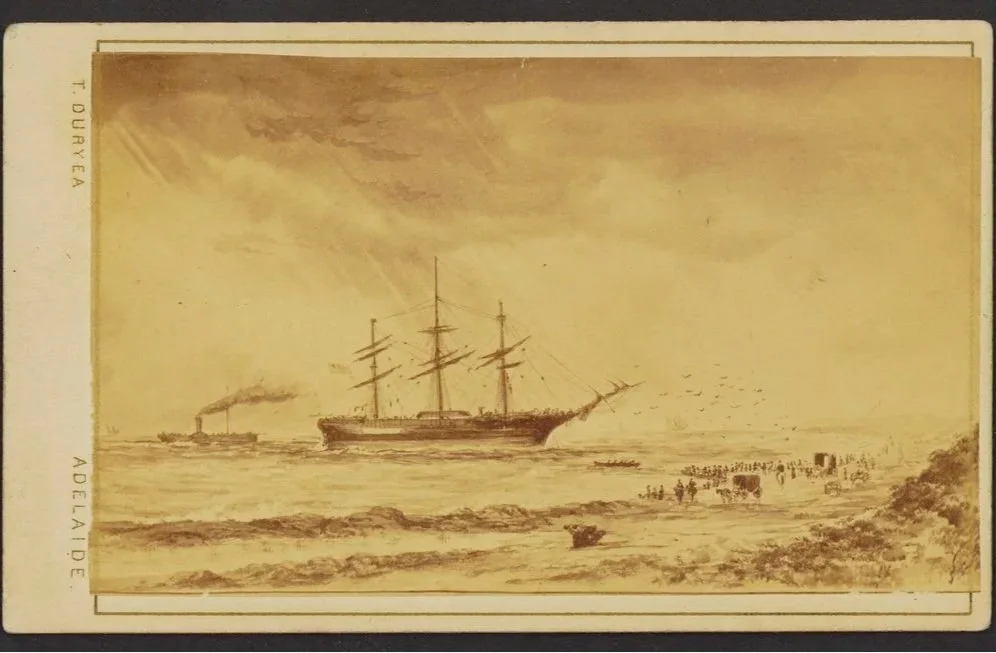
However, fate intervened when his captain tragically drowned on the Asiatic coast. The ship was ordered back to London, and Walter was given his discharge. Finding it incredibly difficult to secure re-employment in shipping, he recalled a distinct observation from his time in Asia: the exceptionally high wages paid to mechanical engineers. Realizing that "sailoring was a poor occupation”, he pivoted. He worked his passage from London to South Australia aboard the historic ship City of Adelaide under Captain David Bruce, determined to master the engineering trade.
Humble Beginnings on Hindley Street (1873)
Upon completing his new engineering apprenticeship in South Australia, Walter became a journeyman at a small, struggling foundry in Adelaide. The operation was remarkably modest: it occupied a mere 63-foot frontage on Hindley Street, the infrastructure consisted of just two brick and three small wooden shops and even by 19th-century standards, the plant and machinery were deeply old-fashioned.
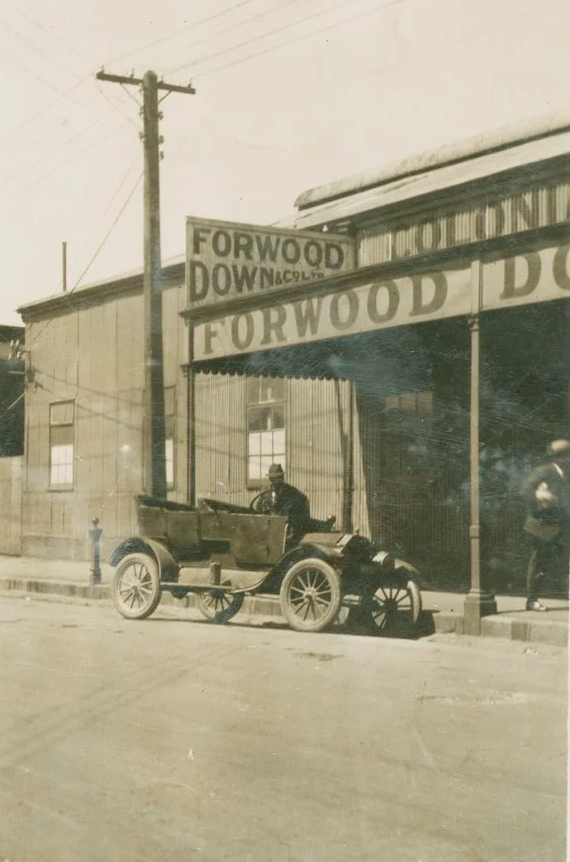
When the original proprietor passed away, the next buyer failed to make a success of the business. An attempt by the remaining foundry workers to run it as a co-operative also collapsed. Seeing potential where others saw failure, the trustees offered the responsibility to Walter. He accepted, partnering with a fellow workman, T. D. Down. In 1873, the firm of Forwood, Down & Co. was officially born.
The Rollercoaster of the Gold Boom
The young firm's breakthrough came with the discovery of gold in the Northern Territory. Seizing the moment, Forwood Down & Co. manufactured heavy mining machinery as fast as their small shop allowed, generating rapid profits.
With this newly acquired capital, Walter expanded the physical footprint of the Hindley Street works and traveled to Victoria to purchase state-of-the-art machine tools. However, the Northern Territory gold boom soon ‘blew out'. The sudden economic reaction hit the firm heavily, sparking a period of intense struggle.
Through sheer persistence, the company weathered the downturn. As prosperity returned to the Australian colonies, the business expanded exponentially. In 1897, it was converted into a limited liability company, with shares split equally between Forwood and Down. Following Down's subsequent death, Forwood bought out the remaining interest, transforming the enterprise into a true family empire.
A Family Empire: The Five Sons
By the early 20th century, Forwood Down & Co. was entirely directed by the Forwood family. Walter distributed the company shares among his family, bringing his five sons into critical leadership roles to manage their expanding operations:
C. P. Forwood: Works Manager (Adelaide)
F. W. Forwood: Manager of the Western Australian branch (Kalgoorlie)
A. H. Forwood: Manager of the Moulding Shop
E. W. Forwood: Manager of the Plate-Working and Smithing Department
R. E. Forwood: Head Draftsman and Quantity Surveyor
Engineering the Commonwealth: Major Landmarks
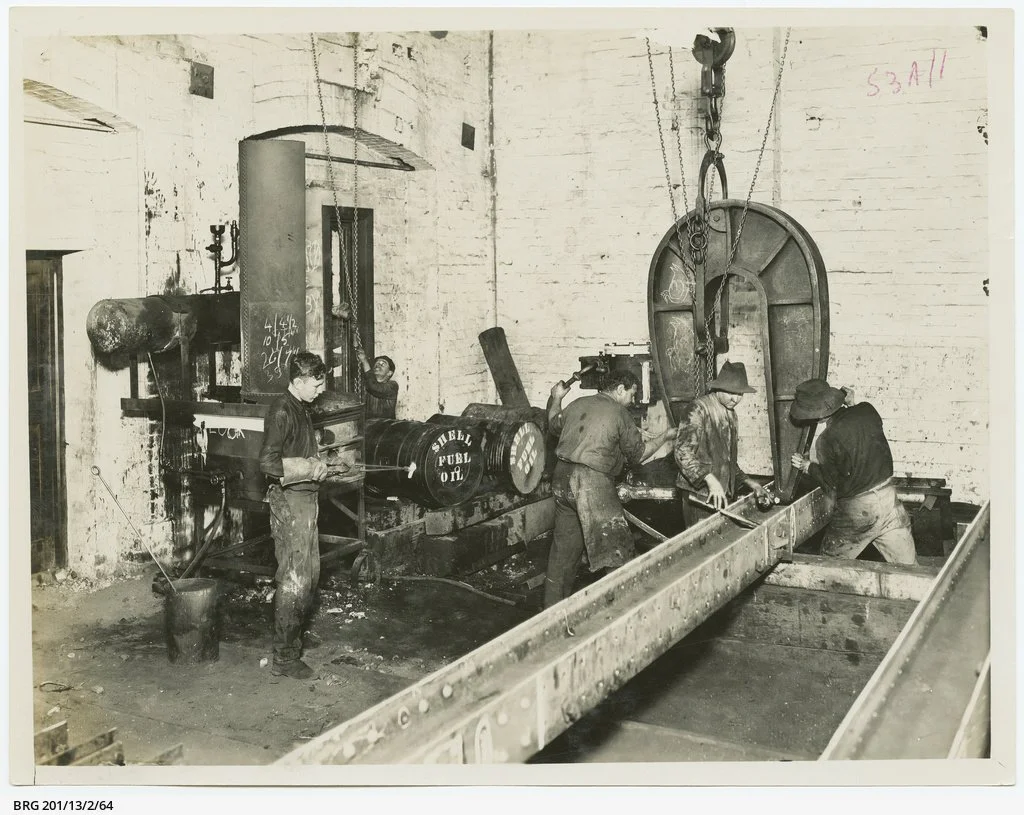
At its peak, Forwood Down & Co. operated as one of the most successful engineering concerns in Australia, inventing and patenting mining machinery used worldwide. Beyond mining, they fabricated the literal backbone of early South Australian infrastructure:
Railway Bridges: The firm manufactured every single bridge for the Gawler-to-Angaston and Brighton-to-Willunga railway lines, alongside major infrastructure for the Outer Harbour Railway.
Civic Architecture: Fabricated the Millswood Subway, numerous bridges for the Roads Board Department, and heavy structural steel for landmarks like Adelaide's Shell House on North Terrace.
Industrial Expansion: Operated the massive Fulton Works at Kilkenny for heavy structural fabrication, a bustling branch on Boulder Road in Kalgoorlie, and supplied the machinery that birthed Australia's automotive manufacturing at factories including Holden and Chrysler.
Civic Leadership & Advocacy
Walter Weech Forwood's influence extended far beyond the foundry floor. He leveraged his engineering expertise to shape the civic and industrial landscape of South Australia:
Chamber of Manufactures: Served on the council almost since its inception, elected to multiple terms as President.
Adelaide City Council: Served as a prominent councillor and spent four years as the Chairman of the Works and Highways Committee, where his technical training proved invaluable to city planning.
Industrial Associations: Served as President of the Iron Trade Employers’ Association and sat on the executive committee of the Employers’ Federation.
Access the Archival & PUBLISHED Collections
Ready to go beyond this brief summary?
The State Library of South Australia is the primary repository for the business and family archives: Forwood Holdings Limited Business Record Group (BRG 201) and Forwood (family) Private Record Group 801 (PRG 801) .
Australian Dictionary of Biography: Walter Weech Forwood Entry
Adelaide AZ: From Apprentice to Industrialist
City of Adelaide Wiki: Walter Weech Forwood Profile
Archival Links: See [The Diaries] for his journals.
Search the NLA’s Trove for Digitised Newspapers including this article: Before Business Days. (1915, March 1). The Journal (Adelaide, SA : 1912 - 1923), p. 1 (THE JOURNAL SPORTING EDITION). Retrieved from http://nla.gov.au/nla.news-article203533935
*A Note for Researchers
This site provides a brief history detailing the origins, growth, and civic impact of Forwood Down & Co. However, its primary purpose is to serve as a centralised research hub. Throughout this site, you will find direct links to archival collections and published material designed to help historians, descendants, and industrial archeologists dig deeper into the records.
All photographs on this page link directly to their source.